

Calm Your Hyper Child: Overstimulation in Children Explained
Overstimulation in Children can significantly affect their behavior.
What Is Overstimulation?
The Sensory Sponge Analogy
How the Nervous System Gets Overloaded
Everyday Triggers for Kids
Overstimulation happens when a child’s brain receives more input than it can process. Bright lights, loud sounds, busy places, and big emotions can all pile up. Think of your child’s nervous system like a sponge—some days it soaks up a lot, other days it’s saturated by breakfast.

Signs Your Child Is Overstimulated
Common Behaviors
What You Might Notice
Not “Bad” Behavior—Just Overload
If your child is talking loudly, moving nonstop, melting down, clinging, struggling to sleep, or acting “wild,” these are signs their nervous system is working hard to regulate under stress.

What’s Happening in the Nervous System?
Fight or Flight in Kids
The Iceberg of Behavior
What’s Under the Surface
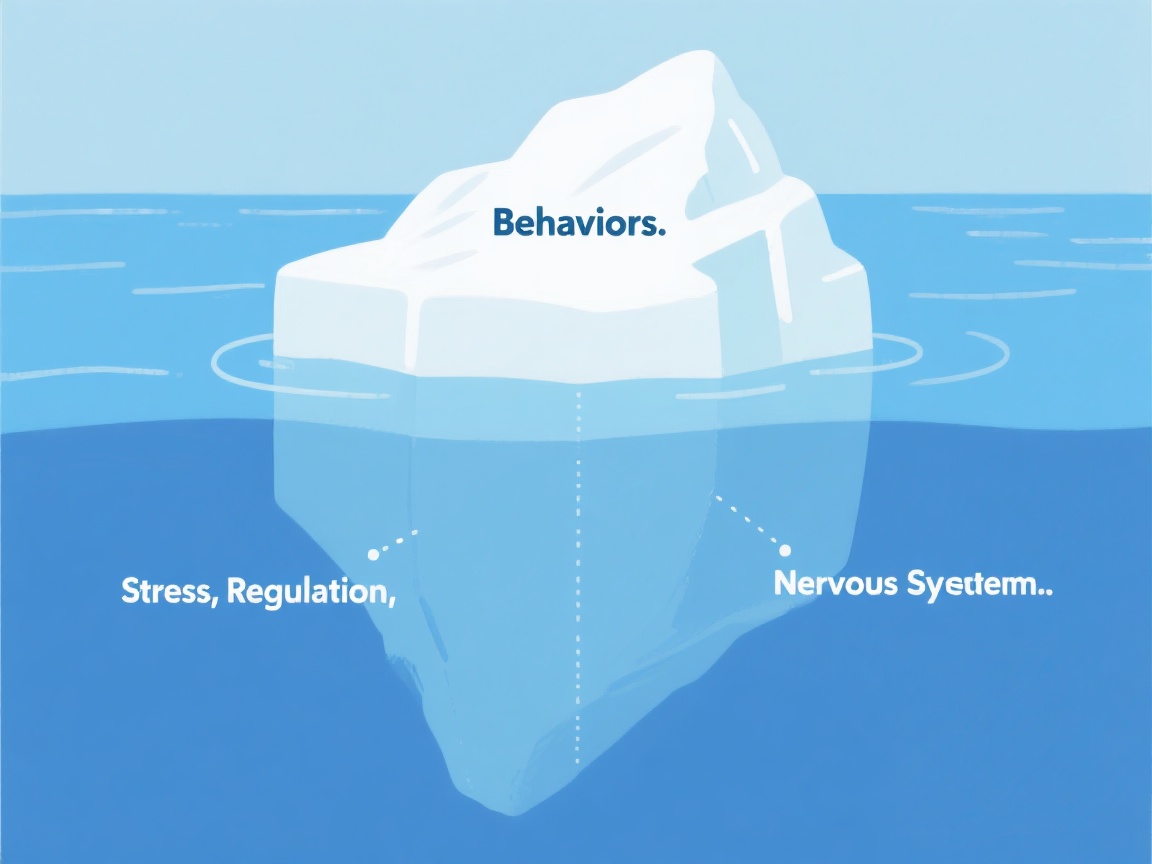
When overwhelmed, a child’s “fight or flight” system kicks in. Adrenaline rises, the body becomes alert, and the brain scans for threats—even if none are present. As Dr. Mona Delahooke says, behaviors are just the tip of the iceberg; underneath are stress and regulation challenges.
How Parents Can Help
Practical Tips for Calming Overstimulation
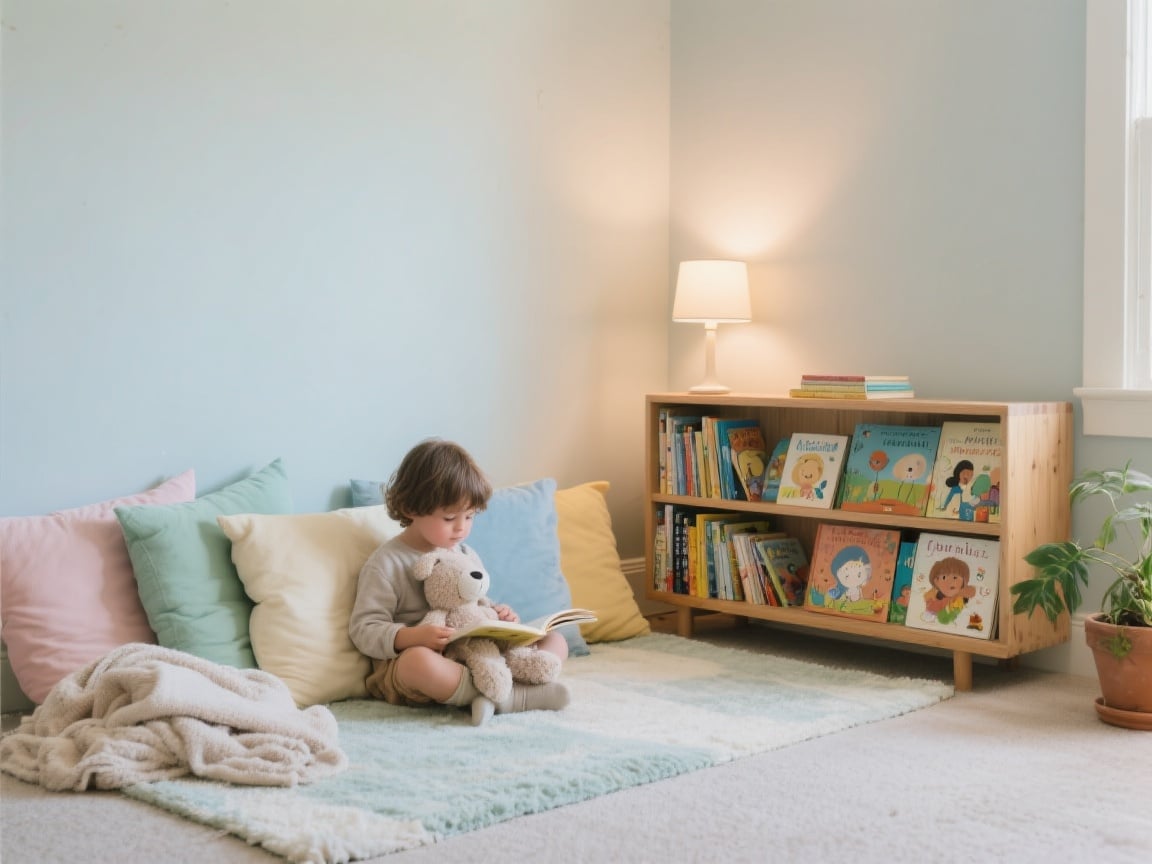
Create Calm Zones
Sensory Breaks and Routines
- Set up a cozy corner with soft blankets, books, or headphones.
- Keep routines predictable with visual schedules and regular sleep/meals.
- Lower background noise and dim lights during downtime.
- Offer sensory breaks: jumping, squeezing a stress ball, rolling on a mat, or swinging.
- Don’t rush to “fix”—sometimes your presence is enough.
- Reflect on the day to spot patterns.
Final Thought
Be the Calm in Their Storm
Compassion Over Correction
Every Big Behavior Has a Reason
Your child isn’t “too much”—they’re just working hard to process a world that can feel overwhelming. When we see overstimulation as a nervous system response, we can respond with more compassion and patience.

FAQ
What causes overstimulation in children?
Overstimulation can be caused by too much sensory input—loud noises, bright lights, busy environments, or emotional stress.
How can I help my child calm down when overstimulated?
Create a calm space, keep routines predictable, lower noise, offer sensory breaks, and be present without rushing to fix.
Is overstimulation a sign of ADHD or autism?
While common in children with sensory processing differences, overstimulation can affect any child, especially during growth or change.